
About Us
Our Story
Crop Capsules began with Steve and Anna Madden – two agronomists and farmers determined to find a non-chemical solution for suppressing silverleaf whitefly (SLW) in cotton. In response to rising insecticide resistance in SLW, they began hand releasing beneficial parasitic wasps into their own crops, and the crops of their agronomy clients. As the success of this method became clear, they recognised a scalable distribution system was needed to make mass-releasing possible on a large scale. This led to the engineering of an aerially released capsule, designed to protect the wasps, promote their health and reproductive activity, and have a net-positive effect on agroecosystems. And so, Crop Capsules was born.
Today, the Crop Capsules innovation empowers growers to use biological control in broadacre crops – reducing, delaying, or even eliminating the need for chemical insecticides, and supporting more sustainable, eco-friendly farming.
What We Do
We specialise in the targeted, mass distribution of beneficial wasps to suppress damaging insect pests in broadacre and horticultural crops. Our unique containment and rapid delivery system introduces breeding populations of wasps quickly and efficiently. Crop Capsules house a mix of immature and emerging wasps, allowing the development of robust populations of beneficial insects that suppress pest populations during critical crop development phases.
We minimise the time from insectary rearing to in-field releases by precision auto-filling capsules with beneficial insects, which are then distributed by light aircraft using a purpose-built, CASA-approved applicator. This method evenly spreads capsules throughout the crop at the desired rate per hectare. Once released, beneficial insects hatch and emerge from the capsules, seeking out and parasitising pest species. They lay their eggs inside the pests, completing their life cycle by feeding on the host’s internal tissues and organs, eventually killing the host and emerging to reproduce and parasitise more target pests.
Crop Capsules are:
- Empowering broadacre farmers with preventative biocontrol solutions for enhanced crop protection.
- Partnering with farmers to reduce reliance on insecticides and promote insect biodiversity.
- Rapidly distributing beneficial insects with light aircraft within a protective capsule to maximise pest insect control.
- Pioneering ongoing research into creative biocontrol strategies to combat crop-specific pests.
- Australian designed and manufactured product.
- An Australian owned small business.

Our Team
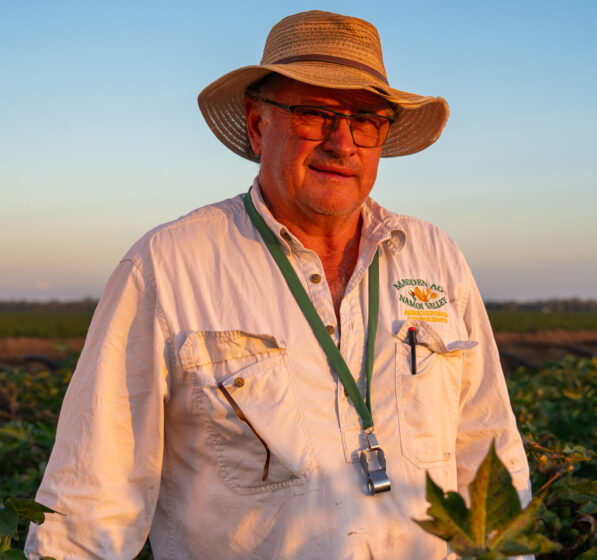
Steve Madden
Director & Agronomist
Steve is an agronomist and farmer, based in Wee Waa since 1991. With a background in crop management and agronomy, Steve works closely with growers to optimise yield through innovative farming practices, particularly in cotton and summer grains. Steve is the inventor of the insect management device know as Crop Capsules.

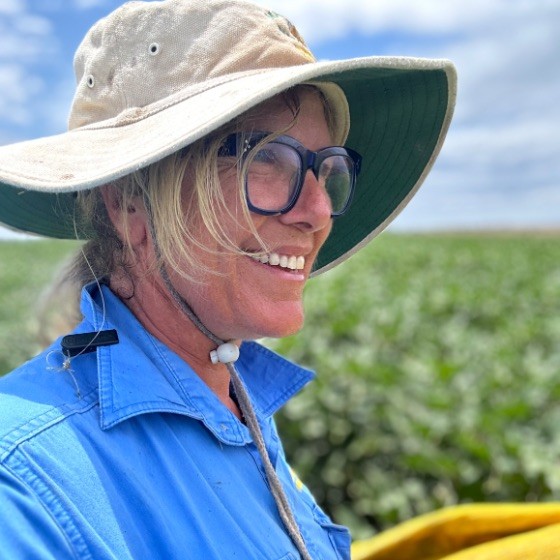
Anna Madden
Director & Agronomist
Anna Madden grew up on a farm in central west NSW, where her love for agriculture was cultivated early. She studied Rural Science at UNE and has spent 30 years as an agronomist, always exploring better ways to farm – smarter, more sustainably, and with her clients’ success front of mind.

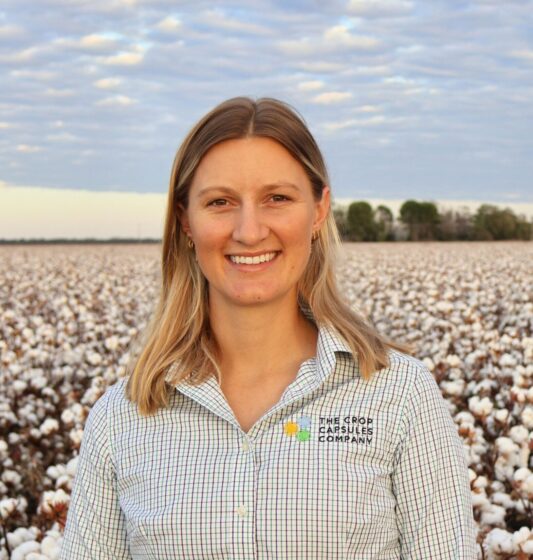
Olivia Bange
Biological Agronomist
Olivia is a recent graduate from The University of Queensland. Working alongside agronomists, researchers and growers, she develops and implements practical ways to reduce the reliance on insecticides. Olivia has a keen interest in marketing, and the communication and extension of her research activities into beneficial insects.

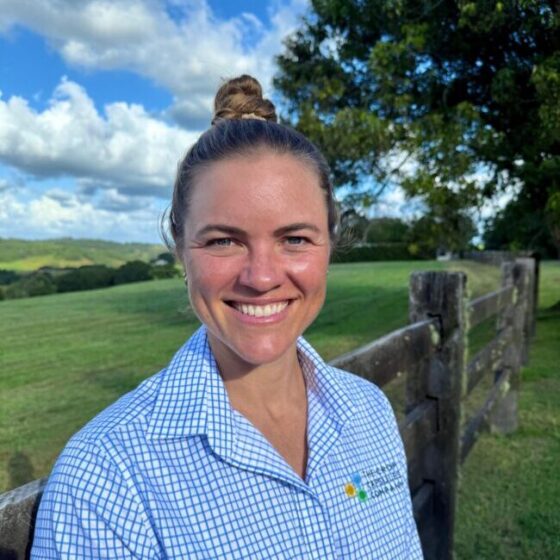
Sophie Gulliver
Biocontrol Projects Manager
Sophie’s passion for minimising the impact of modern agriculture on our natural environment has led her to a 10+ year career specialising in biological pest control solutions for local and international farmers. She is consistently endeavouring to reconcile ecological idealism with the realism of practical modern agriculture.

F.A.Q
How does parasitism work?
Insect parasitism is a biological control mechanism where a parasitic insect, known as a parasitoid, lives at the expense of another insect (the host), eventually killing it. Here’s how it works:
- Host location: The adult female parasitoid locates a suitable host insect, often using chemical cues, visual signals, or vibrations.
- Egg laying: The parasitoid lays its eggs either inside (endoparasitoids) or on the surface (ectoparasitoids) of the host. In some cases, the eggs might be injected into the host’s body using a specialized ovipositor.
- Larval development: Once the eggs hatch, the larvae begin to feed on the host’s tissues. Initially, they consume non-essential parts to keep the host alive for as long as possible. This ensures a continuous food supply for the growing larvae.
- Feeding and growth: As the larvae grow, they consume more of the host’s body, gradually weakening it. The larvae avoid vital organs until the later stages of their development.
- Host Death: Eventually, the larvae reach a stage where they need to consume the vital organs or produce toxins that kill the host. This typically occurs when the larvae are ready to pupate.
- Emergence: After the host dies, the parasitoid larvae emerge from the host’s body. Depending on the species, they may pupate either inside or outside the host’s remains. Once pupation is complete, they emerge as adult parasitoids, ready to continue the life cycle.
This process effectively reduces the population of the host insect, making parasitoids valuable agents in biological control programs to manage pest populations in agriculture and natural ecosystems.
When is the best time to apply Crop Capsules?
Crop Capsules are most effective when used preemptively. Release them as soon as the target pest is detected. This allows parasitoids time to reproduce, locate the pest host, lay eggs, grow, pupate, emerge, reproduce and build subsequent generations. Generally, you want the parasitoids to have completed 2-3 generations before the most vulnerable stage in your crop. Consult the revelant product page on our website for more specific recommendations.
Here are some key considerations for timing parasitoid releases:
1. Release at first signs of pest: Release parasitoids early in the growing season when you first detect signs of the pest. This allows the released parasitoids to establish and build their own populations in the field, filling in the lag phase between when a pest appears and when natural parasitoids typically arrive in sufficient numbers to cause suppression. Crop Capsules are not a knock-down strategy.
2. Environmental conditions: Consider environmental factors such as temperature and humidity. Favourable conditions for parasitoids ensure higher survival and efficacy rates. Avoid releases during extremely hot or cold weather conditions that could harm or reduce reproductive activity of the parasitoids. We work closely with our partner aerial operators to ensure capsules are released in optimum conditions.
3. Multiple releases: In some cases, multiple releases may be necessary throughout the growing season to maintain adequate suppression, especially if pest populations are persistent or if there are reinfestations of the pest.
How are Crop Capsules applied?
Crop Capsules are released across fields using a light aircraft equipped with a purpose-built hopper, enabling quick and even distribution through precision placement technology.
How do I know it’s working?
Take a look! Most forms of pest insect parasitism are visible. In cotton, the presence of the beneficial parasitoid, E. hayati in silverleaf whitefly nymphs can be seen on the underside of leaves usually lower down in the canopy. Click HERE to see what healthy vs parasitised SLW nymphs look like. Industry has also developed a set of useful guides including a smart phone app and a Decision Support Tool to assess whether the extent of parasitism will hold a silverleaf whitefly population in check. If you need support identifying SLW parasitism give us a call – we will be happy to help!
In canola, parasitised aphids are visible as bronze coloured “mummies” on stalks and racemes. The GRDC and CESAR offer advice on current and estimated % parasitism levels through the crop cycle. Recent research by Dr Samantha Ward and CESAR colleagues showed that although rates of parasitism in green peach aphid can be quite high (up to 14%), the true rates of parasitism (calculated by hatch rates in the lab) can be 2 – 4 times the rates calculated from mummy counts, meaning the actual impact of parasitoids is likely to be higher than what you are able to observe in the field.
Are the capsules bad for the environment?
No. Crop Capsules are made entirely from biodegradable, compostable and renewable materials. They do not contain any hydrocarbon based plastic compounds. When capsules start to breakdown, they do not generate damaging, long-lasting microplastics. Crop Capsules has worked closely with one of the world’s largest producers of agricultural biopolymers, Novamont, to develop a biodegradable and compostable capsule that meets or exceeds European standard UNI EN 13432. For more information go to novamont.com
Read more about the properties and environmental credentials of our capsules.
Are the insects in Crop Capsules a biosecurity threat?
No. The beneficial parasitic wasps used by Crop Capsules have been extensively researched and tested by local and international authorities. They are highly specific wasps with a very limited host range. As with all insect species introduced into Australia for the purpose of biocontrol, our beneficials are subject to ongoing monitoring to ensure they do not have unintended impacts on non-target species or ecosystems. We take great care to ensure that insects housed within our capsules are free of disease and are fit, healthy and fertile.
Unlike the infamous cane toad (which is a generalist feeder), the wasp species we use are highly specific and are already considered naturalised in Australia – they have been here for decades and are commonly found in agricultural landscapes.
Can Crop Capsules wasps bite or sting humans?
No. Adult wasps that emerge from our capsules are typically smaller than a grain of sand and require a magnifying glass to see properly. Their ovipositors are evolved for egg-laying, not defense. Newly emerged wasps focus exclusively on breeding, feeding and parasitising target pest populations.

Our capsules are biodegradable & compostable

Designed and manufactured in Australia
